
The term ‘old adage’ may be appropriate…. the saying is, well if you’ve done nothing wrong there is nothing to worry about.
Live facial recognition set for first use in Cambs.
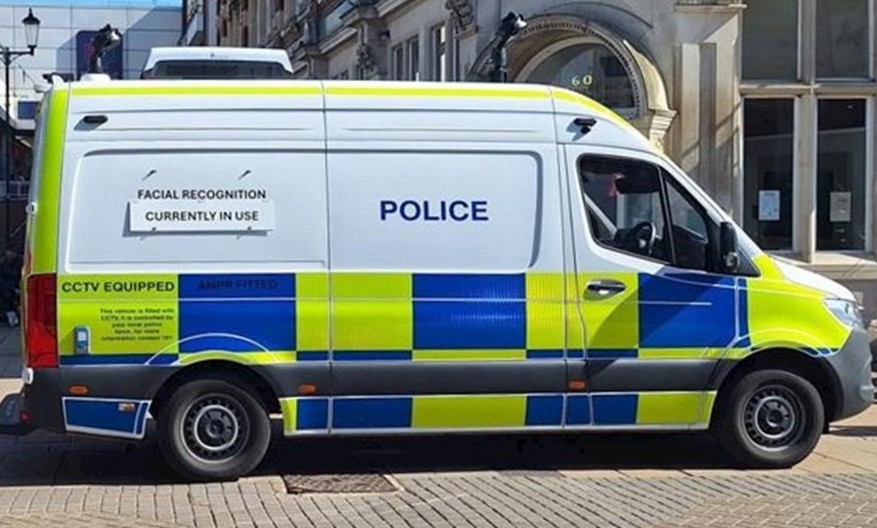
On Saturday, live facial recognition (LFR) technology will be deployed in Cambridgeshire for the first time.
It will be used in Peterborough city centre with the aim of locating those who pose the greatest threat to the wider public.
The technology works by comparing faces from a live camera feed against a police-generated watchlist in real-time.
It analyses key facial features and creates a mathematical representation of these features, known as a facial biometric template, which is then used to find possible matches.
The watchlist includes suspects wanted for criminal offences, those with outstanding warrants for an arrest ordered by the courts, and high-risk offenders with notifications requirements imposed by courts.
An officer will review images flagged as a potential match to determine whether further action is required.
Images that trigger an alert are deleted immediately after use or within 24 hours, while the images and biometric data of individuals who do not trigger an alert will be deleted automatically. Once deleted, they cannot be retrieved.
While this capability is new to Cambridgeshire, it has been used across policing and security services for some time and has improved greatly, even outperforming its anticipated accuracy and success rate.
We know people will have questions about the use of advanced technology within policing and officers will be at the deployments to engage with the community and answer questions.
The locations where LFR is deployed will be clearly marked with signage.
For more information about LFR and its use in Cambridgeshire, visit our website pages.
Kind regards
Inspector Sam Tucker
Thorpe Wood Police Station
Peterborough.
Surveillance is the systematic, close, and often continuous observation or monitoring of people, places, or activities to gather information, ensure security, or manage behavior. Commonly used by law enforcement, governments, and organizations, it involves tracking subjects—often without their knowledge—using methods ranging from physical, in-person monitoring to high-tech cameras, surveillance software, or data analysis.